We Use CookiesWe use cookies to enhance the security, performance, functionality and for analytical and promotional activities. By continuing to browse this site you are agreeing to our privacy policy

10 Best Welding Machines

From leading brands and best sellers available on the web.
By clicking on a link to a third party's website, log data is shared with that third party.

Our Top Picks

#1

Winner

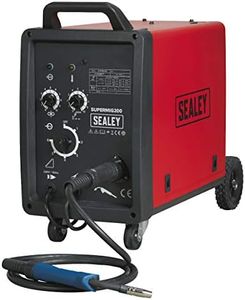
Sealey Supermig200 Professional Mig Welder 200Amp 230V with Binzel Euro Torch

The Sealey Supermig200 is a solid choice for someone looking for a reliable MIG welder with professional-level features. It operates on a 230V input and offers a maximum of 200 amps, which makes it suitable for welding car panels and similar medium-thickness metals. Its forced air cooling system supports a high duty cycle, allowing it to run longer without overheating—ideal for extended projects. The included Binzel Euro torch is comfortable to hold and designed to reduce accidental sparks, helping you produce steadier and cleaner welds.

This welder isn’t limited to steel; it can also handle stainless steel and aluminum, providing more flexibility in your work. The machine is fairly heavy at around 42 kg, so it’s not very portable if you need to move it around frequently or take it to different job sites. Additionally, while it comes with an industrial gas regulator and contact tips, additional accessories might be needed depending on your specific welding needs.

If you want a dependable machine mainly for workshop use and moderate welding tasks, this model is a strong option. For those prioritizing portability or requiring very high amperage for thicker materials, exploring lighter or more powerful alternatives may be advisable.

#2

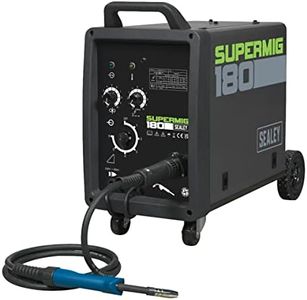
Sealey Supermig180 Professional Mig Welder 180Amp 230V with Binzel Euro Torch

The Sealey Supermig180 is a 180-amp MIG welding machine designed for general professional use, especially good for welding car panels and similar thickness materials. It operates on standard 230V input, making it suitable for most workshop environments. Its forced-air cooling system helps maintain a high duty cycle, allowing longer welding runs without overheating. One standout feature is the Binzel non-live Euro torch, which is comfortable to hold and helps reduce accidental arcing, making it easier to produce steady, clean welds. This model can also handle stainless steel and aluminum, adding versatility beyond basic steel welding.

Weighing about 45.6 kg, it’s not very portable but is manageable if you have a dedicated workspace. The included industrial gas regulator and contact tips are useful extras that get you started right away. The relatively heavy weight and size might be a drawback if you need to move it frequently or weld in tight spaces. The machine has earned a solid customer rating of 4.3 out of 5, indicating reliable performance.

For someone looking for a reliable mid-range MIG welder with decent power and good build quality, especially for auto-body work or light fabrication, this model is a strong contender. If you need a lightweight or highly portable model, though, you might want to consider other options.

#3

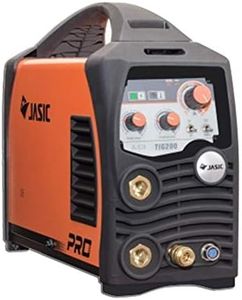
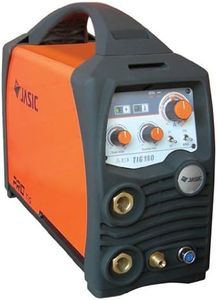
Jasic Tig 200 AC/DC Digital Welding Package

Rating
9.1
Type of Welding Process
Input Voltage
Additional Features
Type of Welding Process
The pulse function and stable arc provide excellent control for detailed TIG welding tasks, enhancing overall welding quality.
Input Voltage
The welding set delivers impressive power and smooth performance on thin aluminum and stainless steel using a 240v supply, exceeding expectations for this voltage class.
Additional Features
Digital controls and a clear display make setting adjustments precise, though mode icons could be clearer to avoid referencing the manual frequently.

The Jasic Tig 200 AC/DC Digital Welding Package is designed for TIG welding, offering both AC and DC modes, which means it can handle welding on different metals like aluminum and steel. It features digital controls and a clear display, making it easier to adjust settings precisely. Its smooth arc and stable performance help ensure quality welds, and pulse functions add control for tricky tasks. The machine runs on 240 volts and includes a 5-year warranty, which adds confidence in its durability.

Portability might be limited since it comes with multiple items in the package and runs on AC power, which may require a stable power source rather than being very portable. This welding machine is a solid choice for hobbyists or small workshop users who want a versatile TIG welder with digital features, but professionals needing detailed specs or high portability might want to look further.

Rating
9.1
Type of Welding Process
Input Voltage
Additional Features
Type of Welding Process
The pulse function and stable arc provide excellent control for detailed TIG welding tasks, enhancing overall welding quality.
Input Voltage
The welding set delivers impressive power and smooth performance on thin aluminum and stainless steel using a 240v supply, exceeding expectations for this voltage class.
Additional Features
Digital controls and a clear display make setting adjustments precise, though mode icons could be clearer to avoid referencing the manual frequently.

Buying Guide for the Best Welding Machines

Choosing the right welding machine can be a daunting task, especially if you're new to welding. The key to making the right choice is understanding your specific needs and matching them with the machine's capabilities. Whether you're a hobbyist, a professional welder, or someone who needs a welding machine for occasional repairs, knowing the key specifications will help you make an informed decision. Here are the main specs you should consider when selecting a welding machine and how to navigate them.
Type of Welding ProcessThe type of welding process is crucial because it determines the kind of work you can do with the machine. The main types are MIG (Metal Inert Gas), TIG (Tungsten Inert Gas), Stick, and Flux-Cored welding. MIG welding is versatile and easy to learn, making it great for beginners and general-purpose use. TIG welding offers precision and is ideal for thin materials and detailed work. Stick welding is robust and works well for outdoor and rusty surfaces. Flux-Cored welding is similar to MIG but better for thicker materials and outdoor use. Choose the process based on the materials you plan to weld and the environment you'll be working in.
Amperage RangeAmperage range indicates the power output of the welding machine and determines the thickness of the materials you can weld. Lower amperage (20-100 amps) is suitable for thin materials like sheet metal, while higher amperage (100-250+ amps) is needed for thicker materials. If you plan to work on a variety of projects, a machine with a wide amperage range will offer more flexibility. Consider the thickness of the materials you typically work with to choose the right amperage range.
Duty CycleThe duty cycle is the amount of time a welding machine can operate continuously before needing to cool down. It is usually expressed as a percentage of a 10-minute period. For example, a 60% duty cycle at 200 amps means the machine can weld for 6 minutes at 200 amps before requiring a 4-minute break. A higher duty cycle is important for longer welding tasks and professional use. If you plan to weld for extended periods, look for a machine with a higher duty cycle to avoid frequent interruptions.
Input VoltageInput voltage refers to the electrical power required to run the welding machine. Common options are 110-120V for home use and 220-240V for industrial or heavy-duty applications. Some machines are dual voltage, offering flexibility to switch between different power sources. Choose a machine that matches the power supply available in your workspace. For home use, a 110-120V machine is usually sufficient, while professional settings may require a 220-240V machine.
PortabilityPortability is an important factor if you need to move the welding machine frequently. Lighter and more compact machines are easier to transport and store. However, portable machines may have lower power output compared to larger, stationary models. Consider how often you'll need to move the machine and the trade-off between portability and power. For occasional use and small projects, a portable machine is ideal. For heavy-duty and stationary work, a larger machine may be more suitable.
Additional FeaturesAdditional features can enhance the usability and performance of a welding machine. Look for features like adjustable settings, digital displays, thermal overload protection, and compatibility with various accessories. These features can make the machine easier to use and more versatile. Think about the specific needs of your projects and whether these additional features will provide significant benefits. For example, digital displays can help with precise settings, while thermal protection can extend the machine's lifespan.