We Use CookiesWe use cookies to enhance the security, performance, functionality and for analytical and promotional activities. By continuing to browse this site you are agreeing to our privacy policy

10 Best Vegetable Fertilizers

From leading brands and best sellers available on the web.
By clicking on a link to a third party's website, log data is shared with that third party.

Our Top Picks

#1

Winner

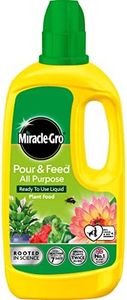
Miracle-Gro Pour and Feed Liquid Plant Food, 1L

The Miracle-Gro Pour and Feed Liquid Plant Food is an easy-to-use liquid fertilizer designed for general gardening, including indoor plants and outdoor gardens. One of its main strengths is the convenience it offers, as it comes ready to use without the need for mixing. This makes it particularly user-friendly for beginners or those who prefer a hassle-free gardening experience.

The product holds a high customer rating of 4.5 out of 5 stars from over 3,600 reviews, indicating a high level of satisfaction among users. Its position as a best-seller in the garden category suggests its popularity and effectiveness in nourishing plants.

The product is a quick-release type, meaning it provides immediate nutrients to plants but may require more frequent application compared to slow-release fertilizers. This product is best suited for gardeners seeking a straightforward, effective liquid fertilizer for general use.

#2

Vitax Blood Fish & Bone Fertiliser,10kg

Vitax Blood Fish & Bone is an organic-based fertiliser designed with a slow-release formula, making it ideal for gardeners who want steady, long-lasting nourishment for their vegetables, fruits, and flowers. It contains natural ingredients like blood, fish, and bone meal, which provide a balanced mix of nitrogen, phosphate, and potash—key nutrients that promote healthy leafy growth, strong roots, and better flower and fruit development. Because it's slow-release, it feeds plants gradually over time, reducing the risk of nutrient burn and lessening the need for frequent applications.

This fertiliser is versatile and can be applied before planting or as a top dressing during the growing season, which adds convenience. Its organic nature means it's suitable for gardeners looking to avoid synthetic chemicals, and it supports soil health in the long run.

Known for promoting robust plant growth, Vitax Blood Fish & Bone is a great choice for home gardeners focused on organic and slow-release feeding. It’s especially beneficial for those growing a variety of vegetables and fruits who want an easy-to-use, natural fertiliser that supports healthy plants without frequent reapplication. Just remember to water it in after applying and avoid using it right before heavy rain to get the best results.

#3

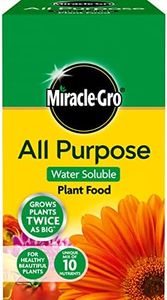
Miracle-Gro All Purpose water Soluble Plant Food, 1 kg

Rating
9.1
Slow-Release vs. Quick-Release
Easy to use and lasts for months; you can't go wrong with Miracle-Gro.

Miracle-Gro All Purpose Water Soluble Plant Food is a popular choice among gardeners, known for its effectiveness in promoting plant growth and blooms. It stands out with a customer satisfaction rating of 4.7 stars, indicating strong user approval. The product is synthetic and water-soluble, offering a quick-release mechanism that is ideal for those who want rapid results.

This means nutrients are immediately available to plants, which is great for quick growth spurts. However, it requires regular application, approximately every two weeks, which might not suit gardeners looking for a hands-off approach. The ease of use is a strong point, as the fertilizer can be easily dissolved in water and applied with a watering can, or via a hose-end feeder, making it convenient for beginners and experienced gardeners alike.

This product is best suited for gardeners looking for a fast-acting, straightforward fertilizer to boost plant health and growth, particularly in ornamental gardens. However, those seeking an organic solution or a fertilizer with micronutrients might need to consider other options.

Rating
9.1
Slow-Release vs. Quick-Release
Easy to use and lasts for months; you can't go wrong with Miracle-Gro.

Buying Guide for the Best Vegetable Fertilizers

Choosing the right vegetable fertilizer is crucial for ensuring that your plants receive the necessary nutrients to grow healthy and produce a bountiful harvest. Fertilizers provide essential nutrients that might not be available in the soil, and selecting the right type can make a significant difference in the quality and quantity of your vegetables. When selecting a fertilizer, consider the specific needs of your plants, the condition of your soil, and your gardening goals. Understanding the key specifications of fertilizers will help you make an informed decision that aligns with your gardening needs.
NPK RatioThe NPK ratio represents the percentage of nitrogen (N), phosphorus (P), and potassium (K) in the fertilizer. These are the primary nutrients that plants need. Nitrogen promotes leafy growth, phosphorus is important for root and flower development, and potassium helps with overall plant health and disease resistance. When choosing an NPK ratio, consider the growth stage of your vegetables. For leafy greens, a higher nitrogen content is beneficial, while fruiting vegetables like tomatoes may require more phosphorus and potassium. Understanding your plant's needs will guide you in selecting the appropriate NPK ratio.
Organic vs. SyntheticFertilizers can be organic or synthetic. Organic fertilizers are derived from natural sources and improve soil health over time, while synthetic fertilizers are chemically manufactured and provide nutrients more quickly. Organic options are ideal for those looking to maintain a natural garden and improve soil structure, but they may release nutrients more slowly. Synthetic fertilizers are suitable for quick nutrient delivery and are often more concentrated. Your choice between organic and synthetic should depend on your gardening philosophy, the immediate needs of your plants, and the condition of your soil.
Slow-Release vs. Quick-ReleaseSlow-release fertilizers gradually release nutrients over time, providing a steady supply to plants, while quick-release fertilizers deliver nutrients immediately. Slow-release options are beneficial for maintaining consistent growth and reducing the risk of nutrient burn, making them ideal for long-term feeding. Quick-release fertilizers are useful for giving plants an immediate boost, especially if they show signs of nutrient deficiency. Consider the growth cycle of your vegetables and whether they need a steady supply of nutrients or a quick boost when choosing between these types.
Soil pH CompatibilitySoil pH affects nutrient availability to plants, and some fertilizers are formulated to work best within specific pH ranges. It's important to test your soil's pH before selecting a fertilizer to ensure compatibility. Most vegetables prefer a slightly acidic to neutral pH (around 6.0 to 7.0). If your soil is too acidic or alkaline, you may need a fertilizer that can help adjust the pH or one that is effective in your soil's current pH range. Matching the fertilizer to your soil's pH will help optimize nutrient uptake by your plants.
MicronutrientsIn addition to the primary nutrients (NPK), plants also require micronutrients like iron, manganese, zinc, and copper in smaller amounts. These are essential for various plant functions and overall health. Some fertilizers include these micronutrients, which can be particularly beneficial if your soil is deficient in them. If your plants show signs of micronutrient deficiencies, such as yellowing leaves or stunted growth, consider a fertilizer that includes these elements. Understanding the specific needs of your plants and soil will help you decide if a fertilizer with added micronutrients is necessary.