We Use CookiesWe use cookies to enhance the security, performance, functionality and for analytical and promotional activities. By continuing to browse this site you are agreeing to our privacy policy

10 Best Student Laptops

From leading brands and best sellers available on the web.
By clicking on a link to a third party's website, log data is shared with that third party.

Our Top Picks

#1

Winner

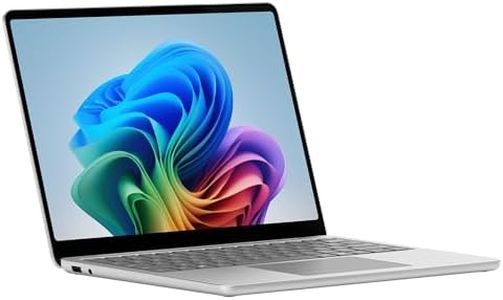
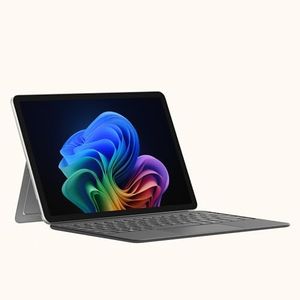
Microsoft Surface Laptop | Copilot+ PC | 15” Touchscreen | Snapdragon® X Elite | 32GB Memory | 1TB SSD | Latest Model, 7th Edition | Black

Rating
10.0
Chosen by1,165
Portability
Battery Life
Processor (CPU)
Portability
Its compact and lightweight design for a 15-inch device is a significant improvement over older models, enhancing portability without sacrificing screen size.
Battery Life
Battery life is outstanding, supporting long study or work sessions without needing frequent recharging.
Processor (CPU)
The ARM-based Snapdragon processor delivers smooth performance with most apps running flawlessly, including demanding tasks and cloud gaming.

The Microsoft Surface Laptop with Copilot+ PC is a premium choice for students who want a powerful and versatile machine. Its Snapdragon X Elite processor, paired with a generous 32GB of RAM and a fast 1TB SSD, means it can handle heavy multitasking, creative projects, and AI-assisted tasks smoothly. Students working with demanding software or who enjoy AI tools will appreciate this capability. The 15-inch touchscreen offers a sharp, bright display with enhanced HDR, making it great for watching videos, working on presentations, or reading documents.

Battery life stands out with up to 20 hours on a single charge, which is excellent for long study days or lectures without needing to hunt for a power outlet. Portability is decent for a 15-inch laptop; its slim aluminum design looks stylish but weighs about 1.66 kg, which might be a bit heavy if you carry it all day. Connectivity includes Wi-Fi and Bluetooth, covering most typical student needs, though no mention of multiple ports means you might need adapters for extra devices. The built-in AI features, like the Copilot assistant and adaptive touchpad, add convenience and accessibility, helpful for students new to AI tools or those needing assistive technologies.

On the downside, the integrated graphics are average, so it’s less suited for gaming or very graphic-intensive tasks. Also, the laptop’s premium specs and features likely come with a higher price tag, which may be a consideration. This Surface Laptop suits students prioritizing performance, battery life, and AI-enhanced productivity, while those needing ultra-lightweight or budget options might look elsewhere.

Rating
10.0
Chosen by1,165
Portability
Battery Life
Processor (CPU)
Portability
Its compact and lightweight design for a 15-inch device is a significant improvement over older models, enhancing portability without sacrificing screen size.
Battery Life
Battery life is outstanding, supporting long study or work sessions without needing frequent recharging.
Processor (CPU)
The ARM-based Snapdragon processor delivers smooth performance with most apps running flawlessly, including demanding tasks and cloud gaming.
#2

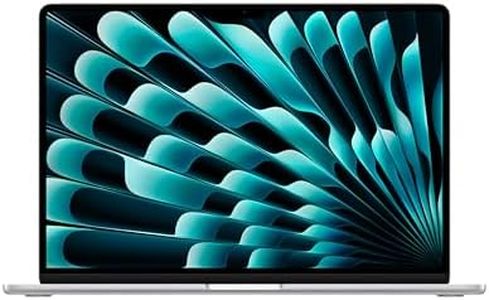
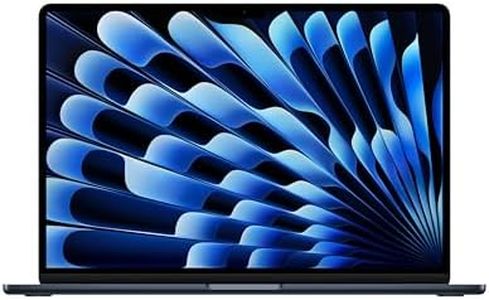
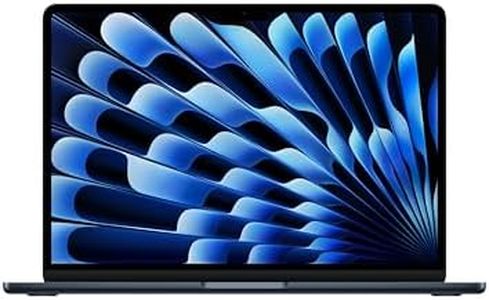
Apple 2025 MacBook Air 13-inch Laptop with M4 chip: Built for Apple Intelligence, 13.6-inch Liquid Retina Display, 16GB Unified Memory, 512GB SSD Storage, 12MP Center Stage Camera, Touch ID; Midnight

Rating
9.1
Processor (CPU)
Battery Life
Display Size and Quality
Processor (CPU)
This MacBook Air delivers incredible performance in a compact, lightweight design that handles everyday tasks and even professional workloads with ease.
Battery Life
Battery life is outstanding, often lasting up to 16 hours or more on a single charge, far surpassing typical Windows laptops.
Display Size and Quality
The 13.6-inch Liquid Retina display offers stunning, crisp visuals with vibrant colours that enhance both work and entertainment experiences.
Portability
This MacBook Air delivers incredible performance in a compact, lightweight design that handles everyday tasks and even professional workloads with ease.
Storage
Storage can feel limited at 512GB, especially for users working with large media files or demanding applications, so managing space or opting for more storage is advisable.

The Apple 2025 MacBook Air with the M4 chip is a strong choice for students who want a lightweight, powerful, and reliable laptop. It has a fast Apple M4 processor and 16GB of RAM, which means it can handle multiple tasks like writing papers, browsing, and even light video editing without slowing down. With 512GB of storage, there’s plenty of space for documents, projects, and media. The 13.6-inch Liquid Retina display delivers crisp and colourful visuals, making it great for reading, watching videos, or working on creative assignments.

Battery life is impressive, lasting up to 18 hours on a single charge, so you can use it all day without worrying about plugging in. Its slim and lightweight design makes it easy to carry between classes or study spots. For connectivity, it includes two Thunderbolt 4 ports, a MagSafe charging port, Wi-Fi 6E, and Bluetooth 5.3, supporting fast internet and connecting to other devices smoothly. The 12MP front camera and quality microphones also make online classes and video calls clear.

If you are comfortable with Apple’s ecosystem and want a reliable, easy-to-carry laptop with excellent performance and battery life, this MacBook Air fits the bill well.

Rating
9.1
Processor (CPU)
Battery Life
Display Size and Quality
Processor (CPU)
This MacBook Air delivers incredible performance in a compact, lightweight design that handles everyday tasks and even professional workloads with ease.
Battery Life
Battery life is outstanding, often lasting up to 16 hours or more on a single charge, far surpassing typical Windows laptops.
Display Size and Quality
The 13.6-inch Liquid Retina display offers stunning, crisp visuals with vibrant colours that enhance both work and entertainment experiences.
Portability
This MacBook Air delivers incredible performance in a compact, lightweight design that handles everyday tasks and even professional workloads with ease.
Storage
Storage can feel limited at 512GB, especially for users working with large media files or demanding applications, so managing space or opting for more storage is advisable.
#3

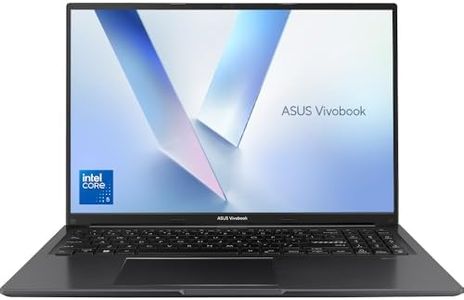
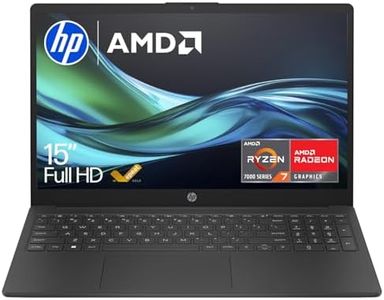
ASUS Vivobook 16 X1605VA Laptop | 16.0" WUXGA 16:10 Screen | Intel Core 5-120U | 16GB RAM | 512GB PCIe SSD | Windows 11 | Black

Rating
9.1
Processor (CPU)
RAM
Display Size and Quality
Processor (CPU)
The Intel Core i5 processor delivers strong performance for everyday tasks, keeping the laptop running smoothly without noticeable fan noise.
RAM
The 16GB RAM is more than sufficient for multitasking, allowing multiple applications to run comfortably without slowdowns.
Display Size and Quality
The screen provides clear visuals with a comfortable 16:10 aspect ratio, though its brightness is somewhat limited and may struggle in very bright environments.
Battery Life
Battery life is adequate for typical daily use but may require recharging during extended sessions, reflecting moderate endurance.
Connectivity
Connectivity includes a USB-C port that supports charging and data but not external displays, requiring use of HDMI for monitors.

The ASUS Vivobook 16 X1605VA is a solid choice for students who need a reliable, mid-range laptop. It features a capable Intel Core i5-120U processor with 10 cores running up to 5GHz, which should handle everyday tasks like browsing, writing, and streaming smoothly. With 16GB of RAM, it also supports multitasking well, letting you keep several apps open without slowdowns. Storage-wise, the 512GB PCIe SSD offers fast file access and enough space for documents, media, and some larger software.

The 16-inch WUXGA display has a 16:10 aspect ratio, which provides extra vertical space compared to typical screens—this can be handy for reading and taking notes. The resolution of 1920 x 1200 pixels delivers clear and sharp visuals, good for both study and entertainment. While it’s not a touchscreen, the screen size is comfortable for long study sessions. At 1.88 kg and just under 2 cm thick, the Vivobook is fairly portable but not the lightest or thinnest in its class. It should still fit easily into a backpack without being too bulky. The laptop also meets military-grade durability standards, meaning it’s built to handle some bumps and knocks, which is reassuring for daily student use.

The 42Wh battery is likely to offer moderate endurance, with potential usage around 5-7 hours depending on activities, sufficient for a typical school day but possibly requiring a recharge during extended use. Connectivity includes four USB 3.0 ports and Wi-Fi 802.11n, which is decent but not the latest Wi-Fi standard (Wi-Fi 6), so internet speeds might be a bit slower in busy networks. The ASUS Vivobook 16 X1605VA strikes a strong balance of performance, screen quality, and durability for students who want a dependable laptop that handles everyday study tasks well, even though it is not the lightest option or the most future-proof in terms of wireless technology.

Rating
9.1
Processor (CPU)
RAM
Display Size and Quality
Processor (CPU)
The Intel Core i5 processor delivers strong performance for everyday tasks, keeping the laptop running smoothly without noticeable fan noise.
RAM
The 16GB RAM is more than sufficient for multitasking, allowing multiple applications to run comfortably without slowdowns.
Display Size and Quality
The screen provides clear visuals with a comfortable 16:10 aspect ratio, though its brightness is somewhat limited and may struggle in very bright environments.
Battery Life
Battery life is adequate for typical daily use but may require recharging during extended sessions, reflecting moderate endurance.
Connectivity
Connectivity includes a USB-C port that supports charging and data but not external displays, requiring use of HDMI for monitors.

Buying Guide for the Best Student Laptops

Choosing the right laptop as a student is crucial because it will be your companion for assignments, research, and possibly entertainment. The key is to find a balance between performance, portability, and battery life, while also considering the specific needs of your field of study. Whether you need a laptop for basic tasks like word processing and browsing, or more demanding applications like graphic design or programming, understanding the specifications will help you make an informed decision.
Processor (CPU)The processor, or CPU, is the brain of your laptop, determining how fast and efficiently it can run applications. For basic tasks like browsing and word processing, an entry-level processor such as an Intel Core i3 or AMD Ryzen 3 will suffice. For more demanding tasks like video editing or programming, consider a mid-range processor like an Intel Core i5 or AMD Ryzen 5. High-performance needs, such as gaming or 3D modeling, may require an Intel Core i7 or AMD Ryzen 7. Choose based on the complexity of the tasks you expect to perform.
RAMRAM, or Random Access Memory, is crucial for multitasking and running applications smoothly. For general use, 8GB of RAM is typically sufficient, allowing you to run multiple applications simultaneously without slowdown. If you plan to use more intensive applications, such as those for graphic design or data analysis, 16GB or more may be necessary. Consider your multitasking habits and the software you plan to use when deciding on the amount of RAM.
StorageStorage determines how much data you can keep on your laptop, including documents, applications, and media. Solid State Drives (SSDs) are faster and more reliable than traditional Hard Disk Drives (HDDs). A 256GB SSD is usually adequate for most students, providing a good balance of speed and storage space. If you need to store large files, such as videos or extensive software, consider a 512GB SSD or a combination of SSD and HDD. Think about your storage needs based on the type of files you will be handling.
Battery LifeBattery life is important for students who need to use their laptops throughout the day without frequent charging. A laptop with at least 8 hours of battery life is ideal for a full day of classes and study sessions. If you often work in places without easy access to power outlets, prioritize longer battery life. Consider your daily routine and how often you will be away from a power source when choosing a laptop.
Display Size and QualityThe display size and quality affect your viewing experience and portability. A 13-14 inch display is a good compromise between portability and screen real estate, suitable for most students. If you need more screen space for tasks like design or video editing, a 15-16 inch display might be better. Consider the resolution as well; Full HD (1920x1080) is generally sufficient for clear and sharp visuals. Think about how you will use your laptop and where you will carry it when deciding on display size and quality.
PortabilityPortability is determined by the laptop's weight and size, which affects how easy it is to carry around. Lighter laptops, typically weighing around 3 pounds or less, are easier to transport and ideal for students who move between classes and study spots frequently. If you prioritize performance over portability, you might opt for a slightly heavier model. Consider how often you will be carrying your laptop and the importance of portability in your daily routine.
ConnectivityConnectivity options, such as USB ports, HDMI, and Wi-Fi capabilities, determine how you can connect your laptop to other devices and networks. Ensure the laptop has enough USB ports for your peripherals, and consider an HDMI port if you plan to connect to external displays. Wi-Fi 6 offers faster and more reliable internet connections, which can be beneficial for online classes and research. Think about the devices you will connect and the type of internet usage you anticipate when evaluating connectivity options.