10 Best Microphones For Vocals
From leading brands and best sellers available on the web.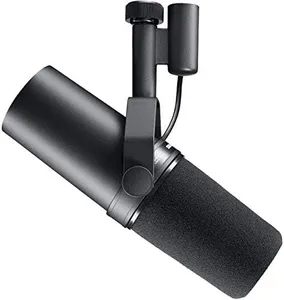
Related Products
Up to 15% off
Recommended lists


Our Top Picks
Winner
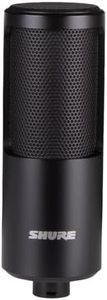
Shure SM7B Vocal Dynamic Microphone Broadcast, Podcast & Recording, XLR Studio Mic Music & Speech, Wide-Range Frequency, Warm & Smooth Sound, Rugged Construction, Detachable Windscreen - Black
The Shure SM7B is a highly-regarded dynamic microphone ideal for vocal applications such as studio recording, podcasting, and broadcasting. Its standout feature is the cardioid polar pattern, which efficiently minimizes background noise by capturing sound directly in front of the microphone, making it excellent for settings with unwanted ambient noise. The microphone's frequency response range of 40 Hz to 15 kHz ensures a warm and smooth sound, contributing to its popularity among vocalists and podcasters seeking natural sound reproduction.
A significant strength of the SM7B is its robust construction and versatility across various vocal applications. The included air suspension shock isolation and pop filter help reduce mechanical noise and breathiness, which is vital for producing clear audio. Additionally, the advanced electromagnetic shielding reduces hum from nearby electronic devices, enhancing its performance in studio environments.
However, it is worth noting that the SM7B requires a professional XLR connection and an audio interface to function, which might not suit beginners looking for plug-and-play solutions. Users should also be aware that obtaining its distinctive warm sound typically requires a preamp with at least 60dB of gain, so additional equipment may be necessary for optimal performance. While this microphone is not the most portable option due to its size and weight, its durability and performance make it a long-lasting investment.
In summary, the Shure SM7B is well-suited for professionals and enthusiasts who desire high-quality vocal recordings in various settings. Its strength lies in its sound quality and noise isolation capabilities, though it does require some technical setup and additional equipment to achieve the best results.
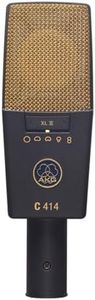
AKG C414 XLII Reference Multipattern Condenser Microphone, Highly Versatile, For Live sound and Studio installations - Black & Gold
The AKG C414 XLII is a highly versatile condenser microphone suited for both live sound and studio recordings, especially for lead vocals and solo instruments. Its multipattern design allows users to choose from nine different polar patterns, making it adaptable for various recording environments and applications.
The microphone offers three attenuation levels and bass-cut filters, which help manage sound quality when dealing with high-output sources or reducing unwanted noise such as wind or stage vibration. It also comes with an overload warning feature to detect and manage peaks in audio levels, ensuring consistent recording quality.
The AKG C414 XLII has a broad frequency response up to 20,000 Hz and a high sensitivity rating, allowing it to capture detailed and nuanced sound. The inclusion of a shock mount and pop filter is a practical addition for studio use. However, beginners might find the multiple settings and adjustments a bit overwhelming. Additionally, it requires an XLR connection, which may necessitate additional equipment like an audio interface for some users. This microphone is best suited for intermediate to advanced users who need a reliable and flexible option for high-quality vocal recordings.
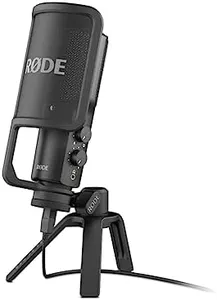
RØDE NT-USB Versatile Studio-quality Condenser USB Microphone with Pop Filter and Tripod for Streaming, Gaming, Podcasting, Music Production, Vocal and Instrument Recording
The RØDE NT-USB microphone is an ideal choice for individuals looking for a versatile solution for vocal recording, podcasting, and streaming. As a condenser microphone, it offers studio-quality sound that is well-suited for capturing vocals and instruments with clarity and detail. Its unidirectional polar pattern is effective at isolating the sound source from ambient noise, making it a great option for home studios or environments where background noise might be an issue.
One of the standout features is its easy USB connectivity, which simplifies the setup process—no need for additional interfaces or equipment. This makes it especially appealing for beginners or those who need a plug-and-play solution. The microphone also includes a pop filter, which helps minimize plosive sounds and breath noise, ensuring cleaner recordings. Additionally, the zero-latency monitoring through its 3.5mm headphone output allows for comfortable real-time listening without echo, which is crucial for performance monitoring.
The RØDE NT-USB's wide frequency response range of 20Hz to 20kHz ensures that it can accurately capture the nuances of a wide array of vocal and instrumental performances. However, its 96 dB noise level may not be as low as some higher-end models, which could introduce some hiss if used in very quiet recording environments. With a sturdy tripod included, this microphone is ready for desktop use but also offers flexibility with its 6m USB cable for different positioning needs. While it’s marketed as suitable for beginners, it can also serve more experienced users well due to its high-quality build and sound capabilities. Those seeking advanced features or lower self-noise levels might find it somewhat limiting.