10 Best Japanese Cookbooks
From leading brands and best sellers available on the web.Winner


Related Products
Up to 23% off

Recommended lists


Our Top Picks
Winner
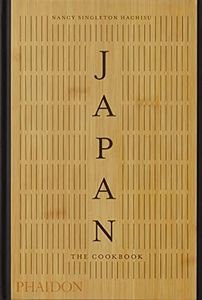
Japan: The Cookbook
'Japan: The Cookbook' by Phaidon Press is a comprehensive exploration of Japanese cuisine, offering 464 pages of recipes that aim to cater to a wide range of skill levels. Beginners and seasoned cooks alike will find ample guidance, though true novices may need additional support due to the intricate nature of some traditional Japanese dishes.
The cookbook excels in recipe variety, covering everything from simple home-style meals to more elaborate dishes, making it a versatile choice for those looking to expand their culinary repertoire. The authenticity of the recipes is a standout feature, as they stay true to traditional Japanese cooking methods and flavors, providing an immersive culinary experience. However, some recipes may require specialty ingredients that could be challenging to source for those living outside major urban areas with access to diverse grocery stores.
The book also serves as a cultural guide, offering insights into Japanese food traditions and dining etiquette, which enriches the cooking experience beyond just the recipes. Its size and hardcover format make it a durable addition to your cookbook collection, though it might be less convenient for on-the-go use. This book is best suited for enthusiasts of Japanese cuisine who have a keen interest in both cooking and cultural exploration.
Japaneasy: Classic and Modern Japanese Recipes to (Actually) Cook at Home
Japaneasy: Classic and Modern Japanese Recipes to (Actually) Cook at Home offers a delightful introduction to Japanese cooking, designed to cater to both beginners and those with some cooking experience. With its focus on making Japanese cuisine accessible to home cooks, the cookbook scores well in terms of skill level. The recipes are presented in a way that is easy to follow, making it ideal for those who may feel intimidated by traditional Japanese cooking techniques.
When it comes to recipe variety, the book provides a good mix of classic and modern Japanese dishes. This allows users to explore traditional flavors while also trying out contemporary twists, which adds an exciting dimension to their cooking experience. However, if you are looking for an exhaustive collection of recipes, you might find this book somewhat limited as it focuses more on quality and clarity than on quantity.
In terms of authenticity, Japaneasy does a commendable job of maintaining the essence of Japanese flavors. The author ensures that the recipes retain their authentic taste while simplifying the process for home cooks. However, purists might find some recipes somewhat adapted for ease, which could slightly deviate from traditional methods. Ingredient accessibility is a strong point for this cookbook. The author emphasizes using ingredients that are easy to find in most supermarkets, making it feasible for readers who do not have access to specialty Asian markets. This is a significant advantage for those who wish to try Japanese cooking without the hassle of sourcing hard-to-find items.
The book provides interesting cultural insights, offering readers a glimpse into the traditions and stories behind the dishes. This enriches the cooking experience and is a valuable addition for anyone interested in the cultural aspects of Japanese cuisine. Japaneasy is well-suited for home cooks seeking approachable and authentic Japanese recipes that don’t require complex ingredients or techniques. It’s a great starting point for those looking to explore Japanese cuisine from the comfort of their kitchen.
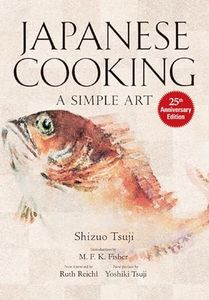
Japanese Cooking: A Simple Art
Japanese Cooking: A Simple Art is a comprehensive guide for anyone interested in exploring Japanese cuisine. It caters to a wide range of skill levels, from beginners to more experienced home cooks, by providing detailed instructions and insights into traditional Japanese cooking techniques. The recipe variety is quite expansive, covering an array of dishes that showcases the diversity of Japanese cuisine.
One of the standout features of this cookbook is its authenticity. The recipes remain true to traditional Japanese methods and flavors, which can be a real treat for those seeking genuine cultural experiences through cooking. However, this dedication to authenticity may present a challenge in terms of ingredient accessibility. Some ingredients might not be readily available in all regions, potentially requiring trips to specialty stores or online shopping.
The book excels in providing cultural insights, enriching the cooking experience with historical and cultural context that explains the significance of various dishes and ingredients. This aspect makes it not just a cookbook, but also a cultural journey that deepens the reader's appreciation for Japanese culinary traditions. While its 508-page length might seem daunting, the layout and clear explanations make it user-friendly. The hardcover format suggests durability, a good investment for those who cook often. Yet, its size and weight might not be convenient for casual browsing or for those with limited kitchen space. For anyone passionate about truly understanding and mastering Japanese cuisine, this book offers a thorough and enriching experience.