10 Best Garden Fertilizers
From leading brands and best sellers available on the web.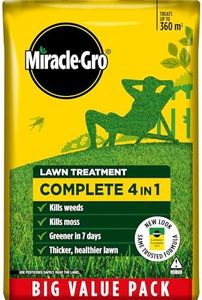

Related Products
Up to 33% off
Recommended lists


Our Top Picks
Winner
Miracle-Gro Evergreen Complete 4-in-1 Lawn Food, Weed & Moss Control, 360 m2, Yellow
The Miracle-Gro Evergreen Complete 4-in-1 Lawn Food, Weed & Moss Control is designed to help you achieve a thicker, greener, and healthier lawn. The notable strength of this product lies in its multipurpose functionality, effectively fertilizing while also controlling weeds and moss. This makes it suitable for garden enthusiasts who want an all-in-one solution for lawn care.
With a granule form, it is easy to apply, though it is hand-powered which may require some physical effort for larger lawns. The product covers 360 square meters, providing ample coverage for medium-sized lawns. The product weighs 12.6 kilograms, making it a sizable package that should last for multiple applications.
However, the product is synthetic, which may not be preferred by those looking for organic options. It also lacks explicit information about micronutrients, which could be important for users needing specific nutrient supplements. Miracle-Gro's Evergreen Complete is a reliable, easy-to-use lawn fertilizer that offers comprehensive lawn care, though it may not fulfill the needs of users looking for organic solutions or specific nutrient compositions.
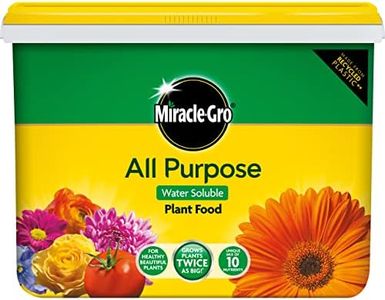
Miracle-Gro All Purpose Water Soluble Plant Food Tub, 2 kg, Brown
Miracle-Gro All Purpose Water Soluble Plant Food is a popular choice among gardeners for its ability to significantly enhance plant growth. This synthetic fertilizer is renowned for doubling the size of plants compared to those not fed with it, making it ideal for gardeners aiming for lush and vibrant plants. The blend includes essential micronutrients such as boron, copper, iron, manganese, molybdenum, and zinc, which play a crucial role in boosting plant health and development.
This fertilizer is easy to use—simply dissolve the required amount in water and apply with a watering can or through a Miracle-Gro hose-end feeder. This water-soluble form ensures nutrients are delivered efficiently and effectively. It's recommended to apply every two weeks, from March to September, for the best results.
Some potential drawbacks include its synthetic nature, which may not appeal to those seeking organic gardening solutions. The repeated application could be seen as a disadvantage for those looking for a low-maintenance option. Additionally, while Miracle-Gro’s effectiveness is well-documented, overuse could lead to nutrient runoff, affecting the environment.
Miracle-Gro All Purpose Water Soluble Plant Food is a top-tier option for those who prioritize rapid and noticeable plant growth and are comfortable with a synthetic fertilizer. It suits gardeners who are eager for impressive displays and are willing to adhere to a regular feeding schedule.
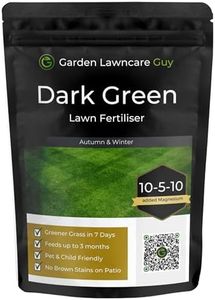
Dark Green Lawn Fertiliser - Non Toxic - Autumn/Winter Grass Feed - Fact Acting & Long Lasting - Child and Pet Friendly Turf Thickener - Garden Lawncare Guy
The Dark Green Lawn Fertiliser by Garden Lawncare Guy is a granulated fertilizer designed for autumn and winter use to help lawns stay green and healthy during colder months. It contains a mix of key nutrients including nitrogen, phosphorus, potassium, and magnesium, which are essential for thickening and greening grass. This product uses a combination of fast-acting and slow-release granules, meaning it starts working quickly to green up your lawn and continues feeding it for up to three months. It is synthetic rather than organic, which generally means quicker results but no soil-building benefits that organic fertilizers offer.
One of its standout features is safety—it's formulated to be child- and pet-friendly when used as directed, making it a good choice for families with kids and animals. Also, it avoids leaving brown stains on patios or decking, a common issue with some fertilizers. The application is straightforward as granules, covering about 35 to 50 square meters per 1.25 kg bag. However, this product is specifically intended for use between October and March, so it’s not suitable for spring or summer feeding.
This fertilizer is ideal for gardeners seeking an easy-to-use, safe, and effective lawn feed during the cooler months to maintain a lush, green lawn without concerns about stains or safety risks.