We Use CookiesWe use cookies to enhance the security, performance, functionality and for analytical and promotional activities. By continuing to browse this site you are agreeing to our privacy policy

10 Best Air Purifiers

From leading brands and best sellers available on the web.
By clicking on a link to a third party's website, log data is shared with that third party.
#3
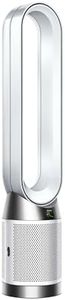
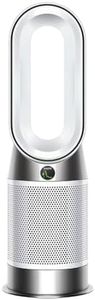
Dyson Puri
Available on
£349
View Product
View more options

Our Top Picks

#1

Winner

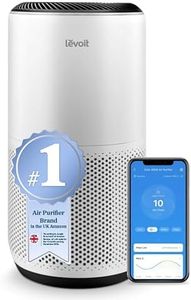
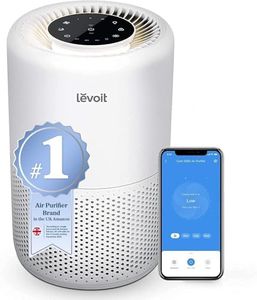
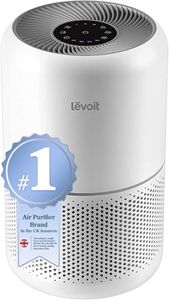
LEVOIT Air Purifier for Bedroom Home, 80m², CADR 187 m³/h, Ultra Efficient HEPA and Quiet for Several Needs like Pet/Toxin/Mould, Removes 99.97% Pollen/Dust/Odour, Core 300, White

10.0  score

Available on
£89.21
View Product
View more options
Rating
10.0
Chosen by1,257
Room Size Coverage
Room Size Coverage
The air purifier effectively refreshes the air and noticeably improves air quality in medium-sized spaces.

The Levoit Core 300 air purifier is a solid choice for medium to large rooms up to 80 square metres, making it suitable for most bedrooms, living rooms, or home offices. Its Clean Air Delivery Rate (CADR) of 187 m³ per hour means it can refresh the air effectively—either once an hour for larger spaces or twice an hour for smaller ones, ensuring better air quality. It uses a three-stage filtration system including a true HEPA filter, activated carbon, and a pre-filter, which together remove 99.97% of common indoor pollutants like dust, pollen, pet hair, mould spores, and odors. This makes it especially helpful if you have allergies or pets. Four different filter options are available to target specific needs like toxins or bacteria, adding versatility.

Noise levels are impressively low thanks to QuietKEAP technology, with just 24 decibels in sleep mode, so it won’t disturb your rest. However, it is corded and not wireless, so placement depends on proximity to a power socket. Energy consumption is moderate, typical for devices of this type. Maintenance involves replacing the filters every 6 to 8 months, which is straightforward but an ongoing cost to consider. The unit also has convenient features like a timer, multiple fan speeds, and a filter replacement indicator. One plus is that it does not produce ozone, which some air purifiers do and which can be harmful.

Its size and performance suit bedroom or home use well, though it may be less ideal if you need a portable or very quiet device for smaller spaces. The Levoit Core 300 is a reliable, easy-to-use purifier that performs well in removing allergens and improving indoor air quality for typical UK homes.

Rating
10.0
Chosen by1,257
Room Size Coverage
Room Size Coverage
The air purifier effectively refreshes the air and noticeably improves air quality in medium-sized spaces.
#2

Dyson Purifier Hot+Cool HP1 Purifying fan heater, Heats and Cools (White/White)

9.7  score

Available on
£457.42
View Product
View more options
Rating
9.7
Energy Consumption
Energy Consumption
Delivers exactly what it promises with straightforward operation and reasonable running costs.

The Dyson Purifier Hot+Cool HP1 is designed for rooms up to 27 square meters, making it suitable for medium-sized living spaces or bedrooms. It features a fully sealed HEPA H13 filter system that captures 99.95% of microscopic allergens and pollutants, offering strong air purification performance for those sensitive to dust, pollen, or pet dander. Unlike many other purifiers, it also includes heating and cooling functions, using Dyson’s Air Multiplier technology to either warm a room evenly in winter or provide cooling airflow in summer. This multi-functionality adds good value if you want both air purification and climate control in one device.

The noise level is about 63 decibels, which is moderately noticeable but should be acceptable in most home environments, especially when the purifier is running at higher speeds. Energy consumption is approximately 40 watts, which is relatively efficient given its combined heating and cooling capabilities. Maintenance involves filter replacement, but Dyson’s fully sealed system helps keep trapped pollutants contained, which can improve air quality over time. You can also monitor and control the purifier remotely via a smartphone app or voice controls, adding convenience.

A potential downside is that the coverage area might be too small for larger rooms or open-plan spaces, and the noise level may be bothersome if you prefer very quiet operation. Additionally, the price point could be higher compared to simpler purifiers that do not offer heating or cooling. This model suits users who want a versatile, high-quality air purifier with added climate control for medium-sized rooms.

Rating
9.7
Energy Consumption
Energy Consumption
Delivers exactly what it promises with straightforward operation and reasonable running costs.
#3

Dyson Purifier Cool PC1 Powerful Cooling Purifier (White/White)

9.4  score

Available on
£349
View Product
View more options
Rating
9.4
Filter Type
Noise Level
Filter Type
The fully sealed HEPA filter provides peace of mind for allergy sufferers, capturing microscopic particles effectively.
Noise Level
On higher fan settings, the noise can be quite loud, which might be distracting in quiet environments or at night.

The Dyson Purifier Cool PC1 is a premium air purifier designed for rooms up to around 27 square meters, making it well suited for medium-sized living spaces or bedrooms. It uses a fully sealed HEPA H13 filter that traps 99.95% of microscopic particles down to 0.1 microns, which is excellent for capturing allergens and pollutants. This high filtration standard combined with the fully sealed design ensures what goes inside the filter stays trapped, improving indoor air quality effectively.

A standout feature is its Dyson Air Multiplier technology, which not only purifies but also provides a strong, smooth airflow to cool you down in warmer months. This dual function adds extra value if you want an air purifier that doubles as a fan. The unit is controllable via a dedicated app or voice commands, offering convenience and real-time air quality monitoring from anywhere.

In terms of noise, it operates at around 61 decibels, which is moderate and might be noticeable in very quiet environments but generally acceptable during normal use. Energy consumption is reasonable at 40 watts, so it won’t significantly impact your electricity bill. The device uses a corded power source and includes a magnetic remote control that stores neatly on the machine, adding to its user-friendly design. Maintenance involves replacing the HEPA filter as needed, which is typical for this type of purifier but can be a recurring cost to consider. Its room coverage is limited to medium-sized spaces, so larger areas might require a more powerful model. While the noise level isn’t loud, it could be slightly distracting for very sensitive sleepers. Considering its price and features, this Dyson model represents a reliable choice for those seeking a purifier with cooling capabilities and smart controls suitable for medium-sized rooms.

Rating
9.4
Filter Type
Noise Level
Filter Type
The fully sealed HEPA filter provides peace of mind for allergy sufferers, capturing microscopic particles effectively.
Noise Level
On higher fan settings, the noise can be quite loud, which might be distracting in quiet environments or at night.

Buying Guide for the Best Air Purifiers

Choosing the right air purifier can significantly improve the air quality in your home or office, making it a healthier and more comfortable environment. To find the best fit for you, it's important to understand the key specifications and how they align with your specific needs. Here are the main factors to consider when selecting an air purifier.
Room Size CoverageRoom size coverage indicates the maximum area that the air purifier can effectively clean. This is important because an air purifier that is too small for your room will not be effective, while one that is too large may be unnecessarily expensive and consume more energy. Room size coverage is usually measured in square feet or square meters. For small rooms (up to 200 sq ft), a compact air purifier will suffice. For medium rooms (200-400 sq ft), look for a mid-sized unit. For large rooms (over 400 sq ft), you will need a larger, more powerful air purifier. Choose an air purifier that matches or slightly exceeds the size of the room where you plan to use it.
CADR (Clean Air Delivery Rate)CADR measures the volume of filtered air delivered by the air purifier and is expressed in cubic feet per minute (CFM). It indicates the purifier's effectiveness in removing specific pollutants like dust, pollen, and smoke. A higher CADR means the air purifier can clean the air more quickly and efficiently. For small rooms, a CADR of 100-150 is usually sufficient. For medium rooms, look for a CADR of 150-200. For large rooms, a CADR of 200 or higher is recommended. Consider your specific needs, such as if you have allergies or live in a smoky environment, and choose an air purifier with a higher CADR for those pollutants.
Filter TypeThe type of filter used in an air purifier determines what kind of particles it can remove from the air. Common filter types include HEPA (High-Efficiency Particulate Air), activated carbon, and UV-C light. HEPA filters are highly effective at capturing small particles like dust, pollen, and pet dander, making them ideal for allergy sufferers. Activated carbon filters are good for removing odors and chemical pollutants. UV-C light filters can kill bacteria and viruses. Consider your specific needs: if you have allergies, a HEPA filter is essential; if you are concerned about odors, look for a unit with an activated carbon filter; if you want to reduce germs, a UV-C light filter may be beneficial.
Noise LevelThe noise level of an air purifier is important, especially if you plan to use it in a bedroom or office where quiet is essential. Noise levels are measured in decibels (dB). Air purifiers typically range from 20 dB (very quiet) to 70 dB (similar to a vacuum cleaner). For a bedroom or quiet space, look for an air purifier with a noise level of 30 dB or lower. For living areas or offices, a noise level of 40-50 dB is usually acceptable. Consider where you will place the air purifier and choose one with a noise level that will not disrupt your activities.
Energy ConsumptionEnergy consumption refers to how much electricity the air purifier uses. This is important for both environmental and cost reasons. Energy consumption is usually measured in watts (W). Air purifiers with Energy Star certification are more energy-efficient and can save you money on your electricity bill. For continuous use, look for an air purifier that consumes less than 50 watts. For intermittent use, energy consumption may be less of a concern. Consider how often you will use the air purifier and choose one that balances performance with energy efficiency.
Maintenance and Filter ReplacementMaintenance and filter replacement are ongoing considerations when owning an air purifier. Regular maintenance ensures the unit operates efficiently and effectively. Filters need to be replaced periodically, and the frequency depends on the type of filter and usage. HEPA filters typically need replacement every 6-12 months, while activated carbon filters may need replacement every 3-6 months. Some air purifiers have washable filters, which can reduce ongoing costs. Check the manufacturer's recommendations for filter replacement and consider the availability and cost of replacement filters. Choose an air purifier with maintenance requirements that fit your lifestyle and budget.